|
ec5ma241f3s heating and air conditioner service insights for reliable, efficient comfortWhat matters mostComfort you can trust is built on measured results, not guesswork. Efficient systems run quietly, cycle steadily, and keep bills predictable. Service that earns confidence shows you the numbers and explains choices without pressure. - Trust: clear pricing, photo or written notes, before-and-after readings, and technicians who explain what can wait versus what cannot.
- Efficiency: airflow verified, clean coils, correct refrigerant charge, tight ducts, and properly sized filters.
- Safety: combustion checks on gas heat, drain protection on cooling, and proper electrical protection.
- Care: shoe covers, protected work areas, and components left cleaner than found.
Maintenance, repair, or replace?Pick the lightest lift that meets the need. A well-maintained 7-year-old system with a failed capacitor merits repair. A 17-year-old unit with repeated leaks and poor efficiency may justify replacement. In the middle, compare repair cost and energy impact against remaining life. - Listen to symptoms and verify thermostat settings.
- Check filter type and condition; wrong MERV or size can choke airflow.
- Measure static pressure, temperature split, and blower performance.
- Test electrical components: capacitors, contactors, motors, safeties.
- For cooling: inspect coils, measure superheat/subcool, and confirm charge by method appropriate to the metering device.
- For heating: verify gas pressure or heat pump operation, check flue draft, and test limits.
Pragmatic caveat: even perfect tuning cannot overcome undersized returns, leaky ducts, or poor insulation; expect improvement, not magic, until those constraints are fixed. A real-world momentOn a humid July evening, the living room climbs to 78°F while the thermostat calls for 74. The tech arrives, shows a clogged 1-inch filter and a frosted evaporator coil, records a low-temperature split, warms the coil, installs a right-sized pleated filter, and logs new readings that settle comfort without pushing a costly part you do not need. Efficiency choices by climateMatch equipment to weather and goals. Variable-speed blowers smooth temperature swings and often lower noise. Heat pumps shine in mild to mixed climates; cold-climate models with smart controls can handle deeper winters, sometimes paired with a gas furnace for hybrid efficiency. - Mild climates: high-SEER2 heat pump, variable-speed indoor fan, attention to duct sealing.
- Cold climates: high-AFUE furnace or cold-climate heat pump with auxiliary heat, sealed combustion, and balanced ventilation.
- Mixed climates: dual-fuel setups that choose the cheapest heat, paired with proper dehumidification in summer.
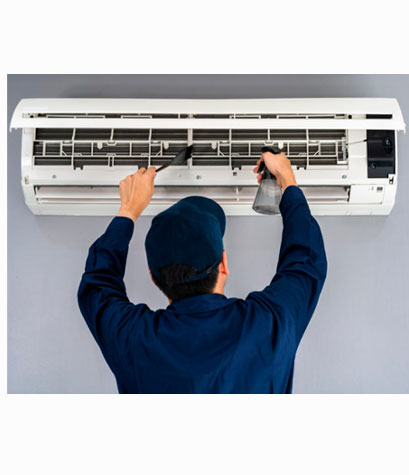
What a thorough tune-up includes- Clean and straighten condenser and evaporator fins; verify coil cleanliness, not just surface shine.
- Confirm refrigerant levels via superheat/subcool targets, not a quick "top-off."
- Calibrate thermostat and check sensor placement away from drafts or sunlight.
- Tighten electrical connections; test start/run amperage against nameplate.
- Test safeties: float switch, high/low pressure, limit and flame sensors.
- Combustion analysis on gas heat; verify draft and check for CO.
- Clear the condensate drain, add treatment if needed, and verify slope.
- Inspect ducts for leaks and restrictions; measure room-to-room airflow.
- Set filter strategy: MERV 8 - 13 is typical; higher MERV may require more surface area to avoid pressure drop.
Change standard 1-inch filters every 1 - 3 months depending on dust and pets; thicker media often lasts longer but still needs inspection. An efficient system is one you remember to maintain. Costs and value signalsTransparent quotes list labor, parts, and what is included. A good provider offers options - repair now, optimize airflow, or plan a future upgrade - without pushing. Annual maintenance can pay off in harsh climates, heavy runtimes, or for older equipment approaching end of life. - Seasonal demand affects response time and price; shoulder seasons are calmer.
- Parts availability and warranty status can tip the decision toward repair or replacement.
- For replacements, insist on a load calculation and duct review; capacity and airflow matter as much as brand.
Signals it is time to call- Short cycling, ice on refrigerant lines, or weak airflow.
- Rooms that never match setpoint or big temperature swings.
- Unusual odors, frequent breaker trips, or water near the air handler.
- Energy bills that spike without a weather reason.
After the visit: simple habits- Set reminders for filter checks and keep a spare on hand.
- Maintain two feet of clearance around the outdoor unit and keep coils clear of fluff and leaves.
- Leave supply and return registers open to protect airflow balance.
- Use moderate setbacks; extreme swings can waste energy and stress equipment.
- Record model and serial numbers and keep service readings; trendlines reveal small issues early.
Measured service builds trust, and steady performance proves efficiency over time.

|
|